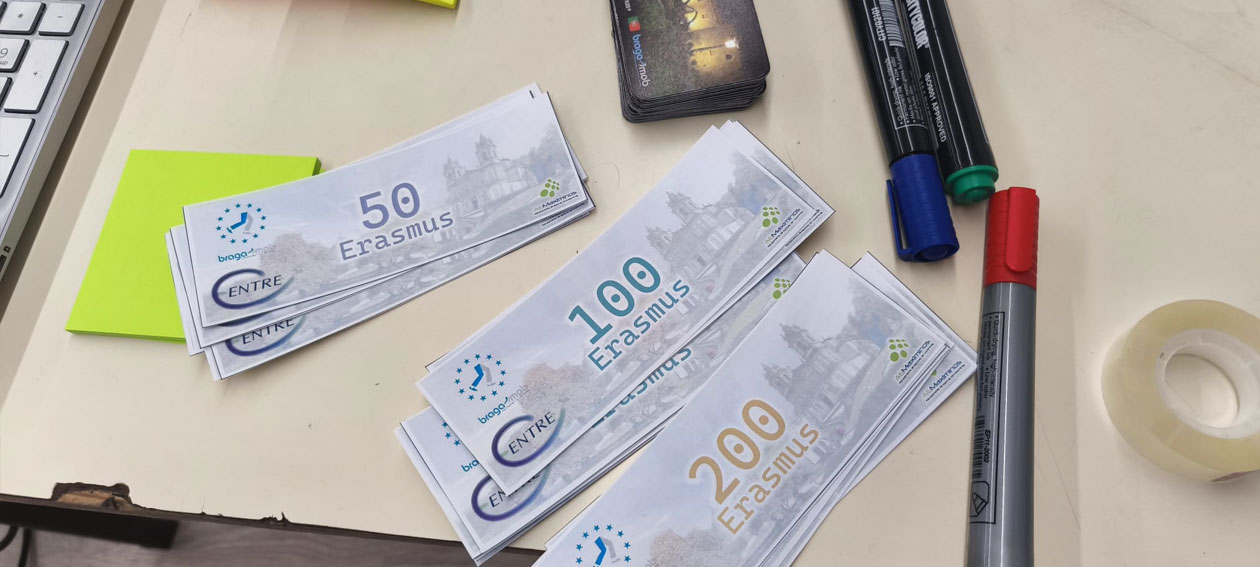
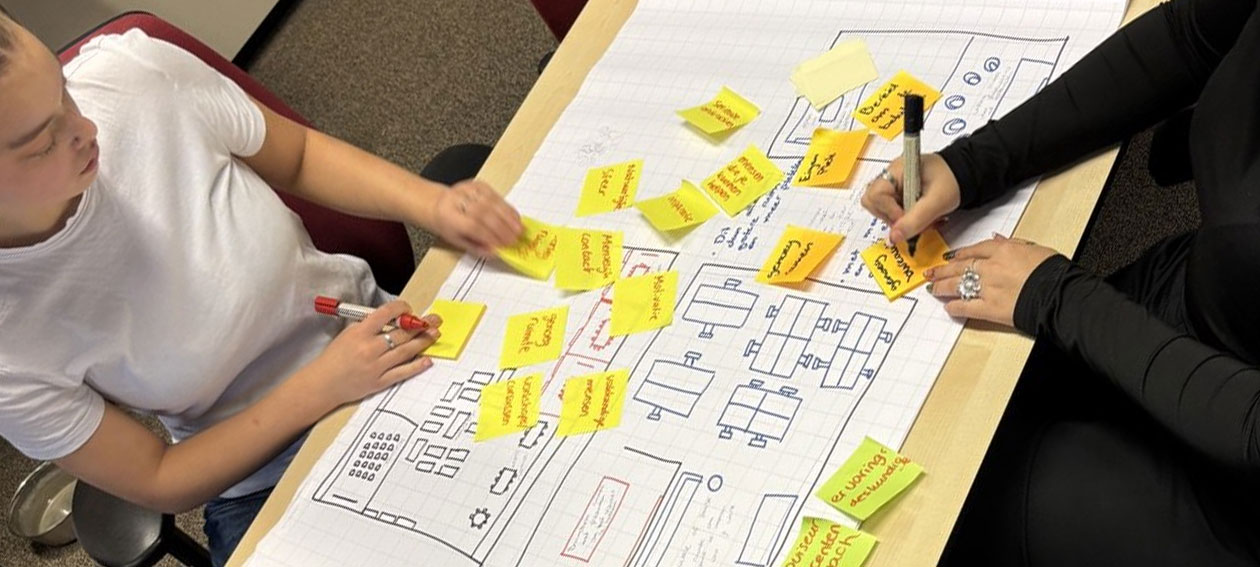
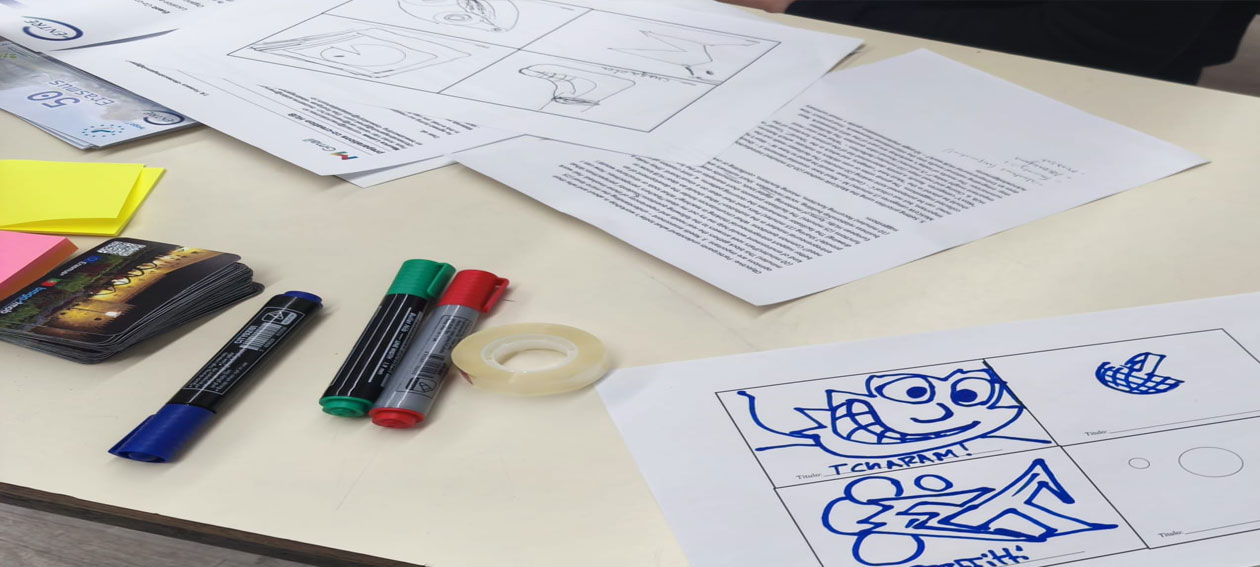
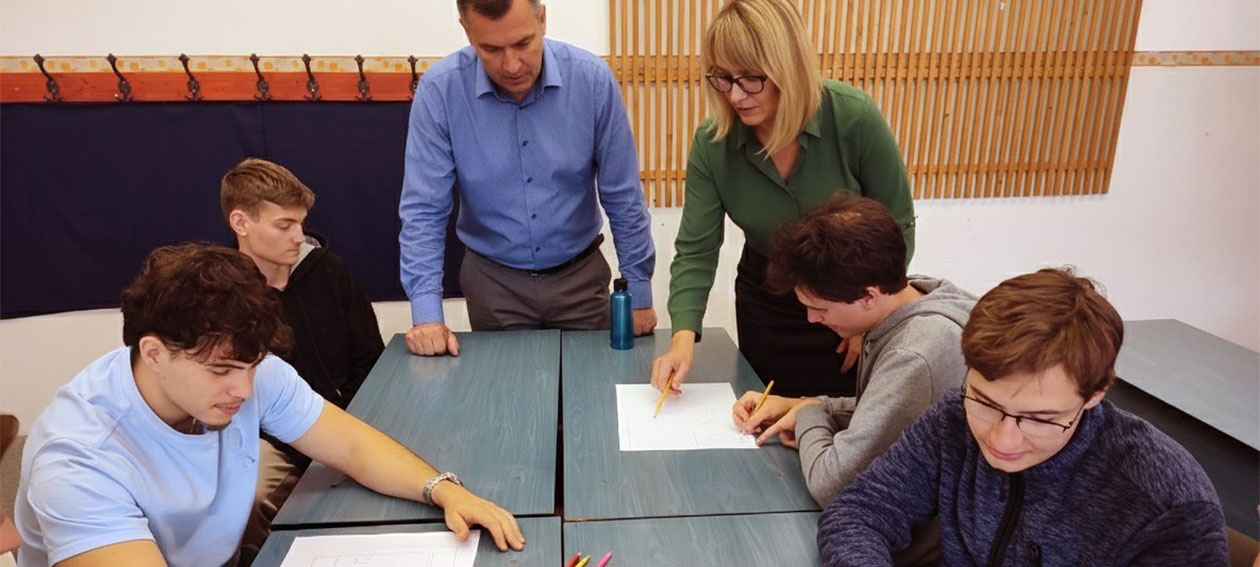
The C-ENTRE project ran co-creation workshops in Hungary (Szeged), the Netherlands (Leeuwarden), and Portugal (Braga) to design VET (MBO) Entrepreneurship Hubs. Each session brought together students and teachers (4–5 students and 4 teachers per country) to explore needs, priorities, and ideal HUB functions.
Methodology:
Workshops combined moodboards, student and teacher brainstorming, idea grouping, and MoSCoW prioritization (Must, Should, Could, Won’t), supported by visual layouts of ideal HUB spaces.
Key Findings:
Space & Infrastructure:
- Flexible, reconfigurable areas for individual and group work
- Comfortable, inspiring environments with natural light, ventilation, and relaxation zones
- Secure storage and access to prototyping tools
Technology & Resources:
- Reliable Wi-Fi, power supply, and digital presentation equipment
- Tools and facilities for hands-on experimentation and hybrid collaboration
People & Support:
- Mentors and skilled educators central to guidance and motivation
- Structured access to entrepreneurs and industry professionals
- HUBs as incubators for teachers to test methods and share knowledge
Culture & Community:
- Equal collaboration between students, teachers, and entrepreneurs
- Informal networking, inspiration, and peer learning
- Autonomy, motivation, and entrepreneurial mindset prioritized
Priorities (MoSCoW):
- Must: flexible space, Wi-Fi & power, project storage, basic prototyping tools, mentor access
- Should: community events, teacher coaching, digital collaboration platform
- Could: advanced prototyping, external incubators, international collaboration
- Won’t: full high-tech makerspaces, complex legal services, mandatory participation
Conclusion:
The workshops created a shared vision of VET Entrepreneurship Hubs that are practical, flexible, and people-centered. Results from all three countries will feed into a 30-page implementation guide and visual summary for schools across Europe.